Which room conditions best preserve a fine high-end piano over many decades?
How temperature, humidity, and placement protect tone, tuning stability, and the instrument itself.
A fine piano is best preserved by stable humidity and temperature, away from direct sun, heating vents, and drafts. Consistency matters more than any exact figure, since swings stress the soundboard and finish. A stable room helps the piano hold tuning and tone, and humidity control with regular service extends its life for decades.

Stable humidity above all
Wood responds to humidity, so stable levels protect the soundboard and tuning. Wide swings cause expansion and contraction that stress the instrument.
Aim for a consistent environment rather than chasing a single perfect number. Stability, more than any exact figure, preserves a fine piano. Related: How do you choose between a grand and upright piano for the home?
Keep reading: How do you choose between a grand and upright piano for the home?, What makes a concert grand piano worth its considerable investment for discerning musicians?, Why does soundboard material shape the tonal character of a luxury grand piano?. See how Pianoluxe helps you a pianist guide to buying grand and upright pianos.
Temperature and placement
Keep the piano away from direct sun, heating vents, and drafts, all of which create damaging fluctuations. A stable interior wall is often ideal.
Sudden temperature changes stress the finish and the structure. Thoughtful placement is a simple, lasting form of protection.
Protecting tone and tuning
A stable room helps a piano hold its tuning longer and keeps the soundboard in good voice. This preserves the tone you fell in love with. Related: Why does soundboard material shape the tonal character of a luxury grand piano?
It also reduces the frequency of adjustments the instrument needs. The room becomes a partner in maintaining the piano's best voice. Related: How much space does a full-size grand piano genuinely require in a home?
Long-term care
For valuable instruments, some owners use humidity control systems to maintain stability. Regular service from a technician complements a good environment.
Together, a stable room and attentive care let a fine piano remain beautiful for decades. The environment is part of owning the instrument well. Related: Does piano size directly affect tone quality in a fine upright instrument?
- Stable humidity protects the soundboard and tuning
- Keep the piano from sun, vents, and drafts
- A stable room helps the piano hold tuning and tone
- Humidity control and regular service extend its life

Julien Jimenez
Julien Jimenez is an independent software builder based in Paris. He designs, ships, and operates focused SaaS products for small businesses and independent professionals. Read the full author page.
Frequently asked questions
What humidity level is best for a piano?
Stability matters more than a precise number. Aim for consistent, moderate humidity and avoid wide swings, which stress the soundboard and tuning. A technician can advise on control systems for valuable instruments.
Where should I place a piano in a room?
Away from direct sunlight, heating vents, and drafts, often against a stable interior wall. Thoughtful placement reduces damaging fluctuations and helps the instrument hold its tone and tuning over time.
An Instrument for a Lifetime
A pianist guide to buying grand and upright pianos. Pianoluxe is built to help you put this into practice.
Find your pianoMore from the Pianoluxe blog
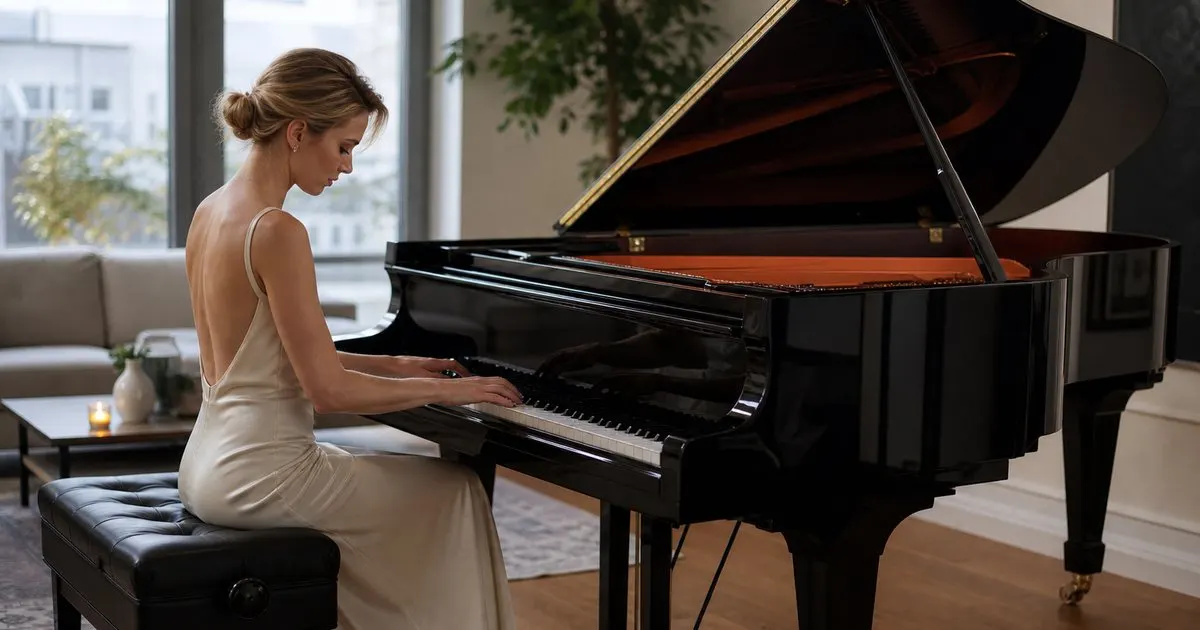
How do you choose between a grand and upright piano for the home?
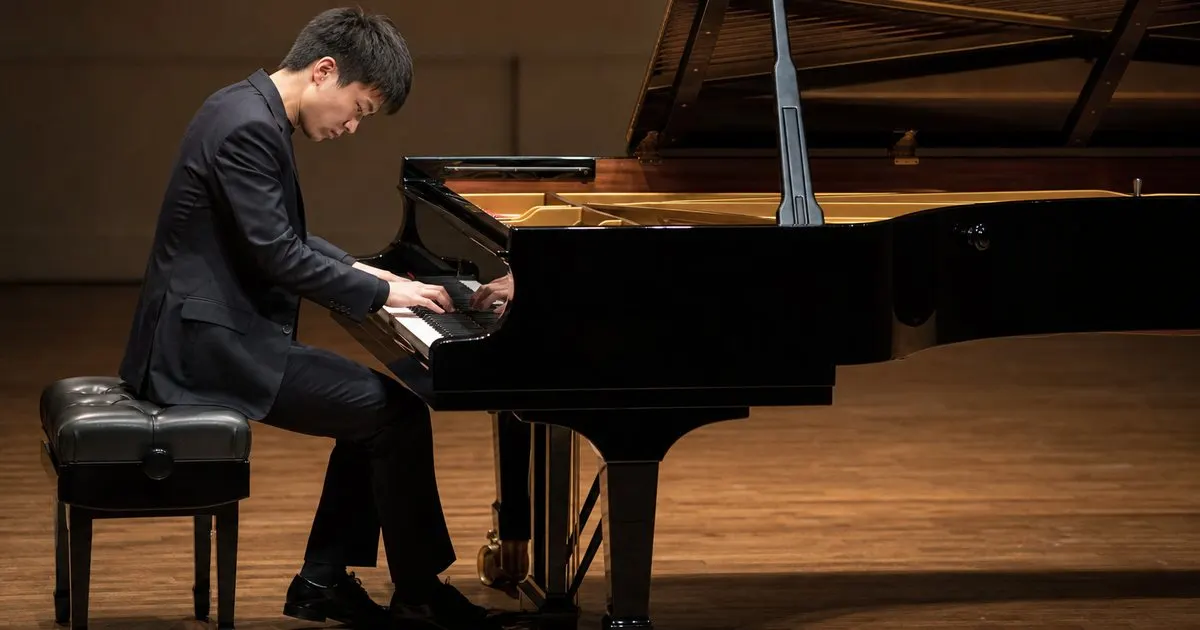
What makes a concert grand piano worth its considerable investment for discerning musicians?
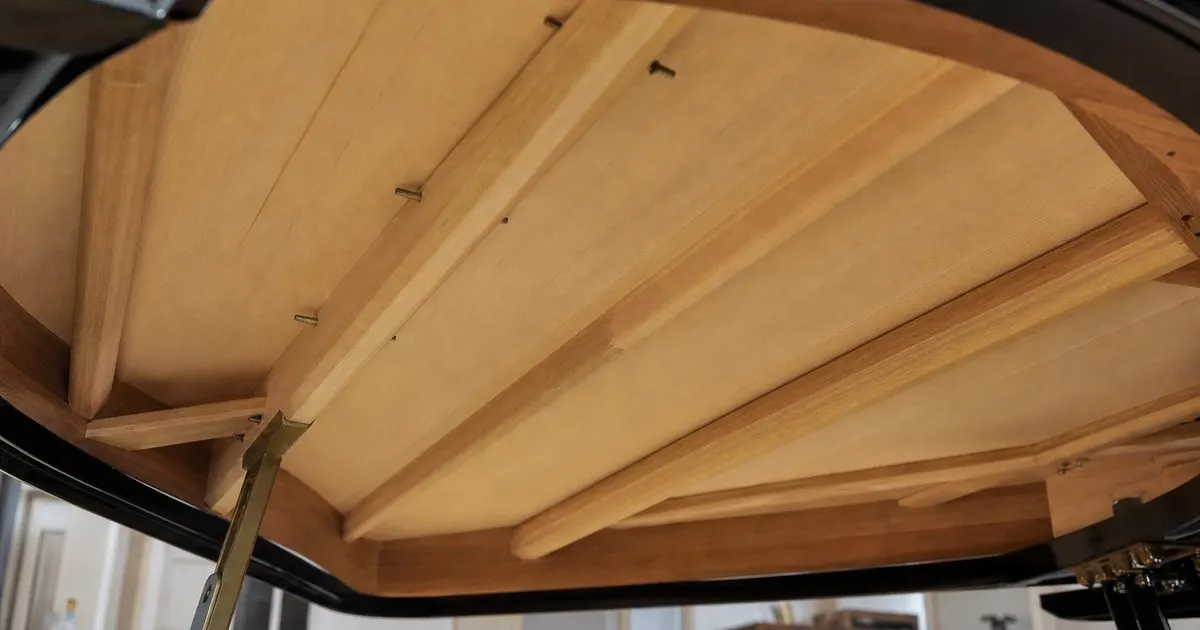
Why does soundboard material shape the tonal character of a luxury grand piano?
Get the complete high-end grand and upright pianos guide
Our full buying guide, the price guide, and new research as we publish it. One email, no spam, unsubscribe any time.