Why does soundboard material shape the tonal character of a luxury grand piano?
How the soundboard, especially quality spruce, gives a piano its voice, sustain, and resonance.
The soundboard shapes tone because it amplifies the strings' vibration into the sound you hear, making it the instrument's voice. Quality spruce vibrates freely to give rich, sustained tone, while skilled crowning and ribbing determine responsiveness and balance. Specifications only hint at this, so judge a piano's tone by listening across its range.
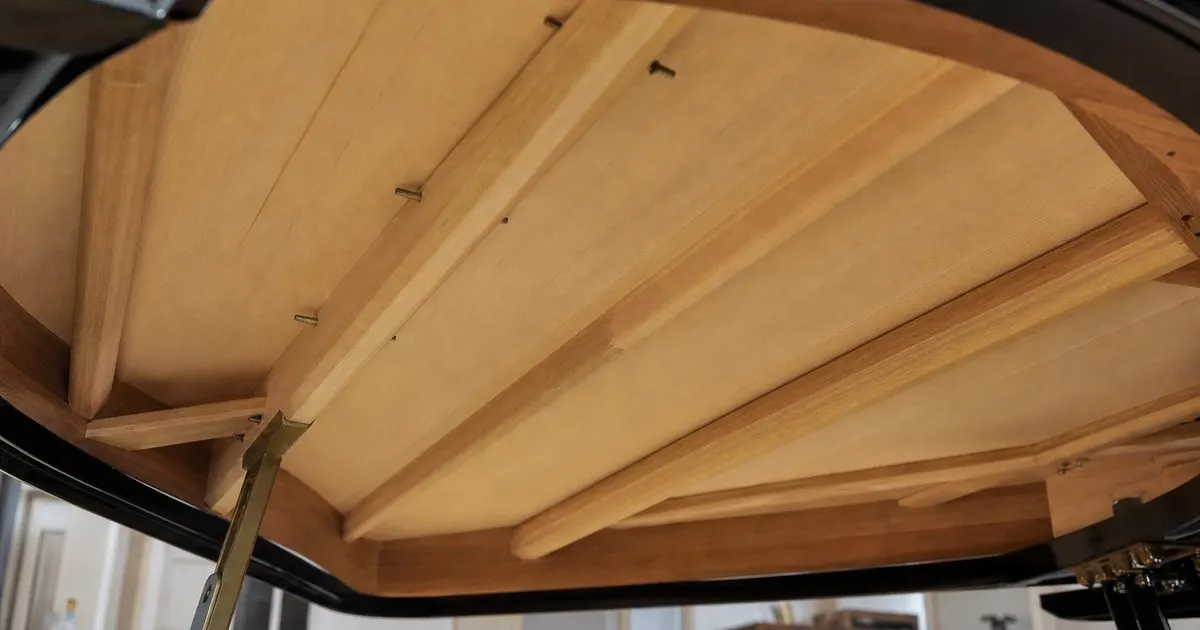
The soundboard as the voice
The soundboard amplifies the strings' vibration into the sound you hear, making it the heart of the instrument's tone. Its material and construction shape everything. Related: Does piano size directly affect tone quality in a fine upright instrument?
A superior board gives fullness, sustain, and a singing quality. This is why makers invest so heavily in getting it right.
Keep reading: How do you choose between a grand and upright piano for the home?, What makes a concert grand piano worth its considerable investment for discerning musicians?, Which room conditions best preserve a fine high-end piano over many decades?. See how Pianoluxe helps you a pianist guide to buying grand and upright pianos.
Why spruce is prized
Quality spruce combines lightness with strength, vibrating freely to produce rich, sustained tone. Its grain and seasoning influence the result significantly.
Properly selected and dried spruce ages well, maintaining its voice over decades. The wood is chosen with great care in fine instruments. Related: Which room conditions best preserve a fine high-end piano over many decades?
Construction and crown
How the board is crowned and ribbed affects its responsiveness and tonal balance. Skilled construction lets the board resonate as intended.
This craftsmanship is subtle but decisive. Two boards of similar wood can sound different depending on how they are made.
Judging tone for yourself
Specifications only hint at sound, so listen for even tone, sustain, and a voice that moves you. Your ears are the final authority.
Play across the range and notice how notes bloom and decay. The soundboard's quality reveals itself in that living response.
- The soundboard amplifies strings into the tone you hear
- Quality spruce vibrates freely for rich, sustained sound
- Crowning and ribbing shape responsiveness and balance
- Judge the result by listening, not specifications alone

Julien Jimenez
Julien Jimenez is an independent software builder based in Paris. He designs, ships, and operates focused SaaS products for small businesses and independent professionals. Read the full author page.
Frequently asked questions
Is spruce always used for soundboards?
Quality spruce is prized for its blend of lightness and strength, which produces rich, sustained tone, and it is standard in fine pianos. The specific wood selection and seasoning influence the result significantly.
Can two pianos with spruce boards sound different?
Yes. Beyond the wood itself, how the board is crowned, ribbed, and constructed shapes its voice. Craftsmanship means two similar boards can sound distinctly different, so listening is essential.
An Instrument for a Lifetime
A pianist guide to buying grand and upright pianos. Pianoluxe is built to help you put this into practice.
Find your pianoMore from the Pianoluxe blog
How do you choose between a grand and upright piano for the home?
What makes a concert grand piano worth its considerable investment for discerning musicians?
Which room conditions best preserve a fine high-end piano over many decades?
Get the complete high-end grand and upright pianos guide
Our full buying guide, the price guide, and new research as we publish it. One email, no spam, unsubscribe any time.