
High-End Grand and Upright Pianos
How do you choose between a grand and upright piano for the home?
Weighing tone, touch, space, and budget to decide which form of fine piano suits your home.
Practical, honest advice from the team behind Pianoluxe, written to help you do this well.
Weighing tone, touch, space, and budget to decide which form of fine piano suits your home.

The craftsmanship, tone, and responsiveness that distinguish a concert instrument from a fine one.

How temperature, humidity, and placement protect tone, tuning stability, and the instrument itself.
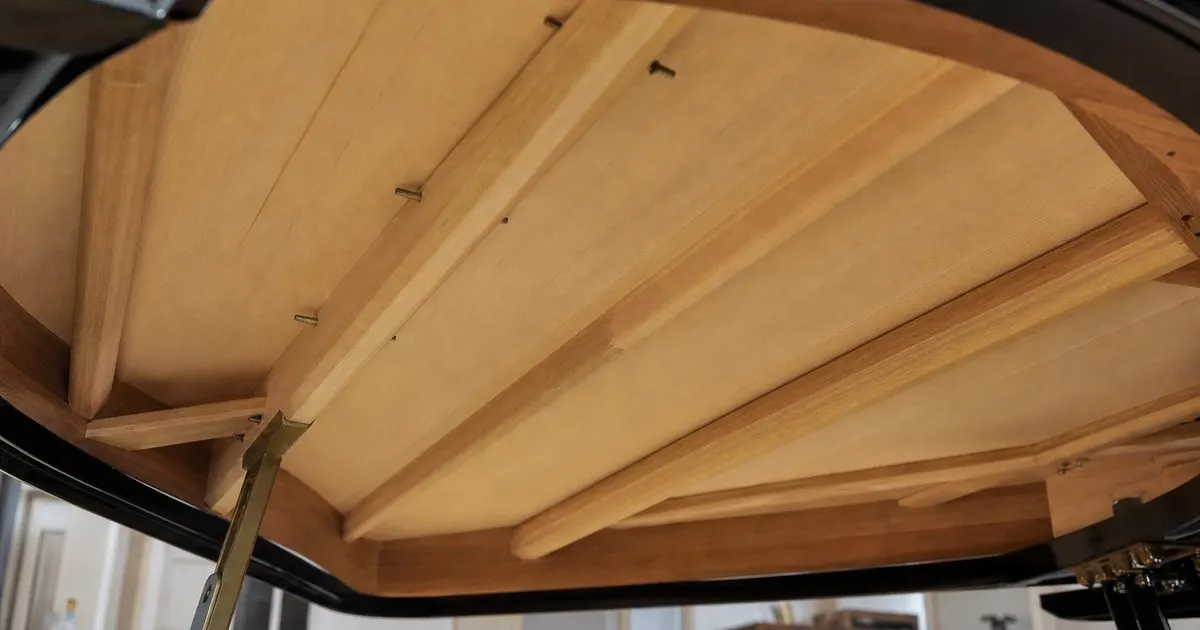
How the soundboard, especially quality spruce, gives a piano its voice, sustain, and resonance.

Weighing the individual attention of hand craftsmanship against the consistency of fine production.
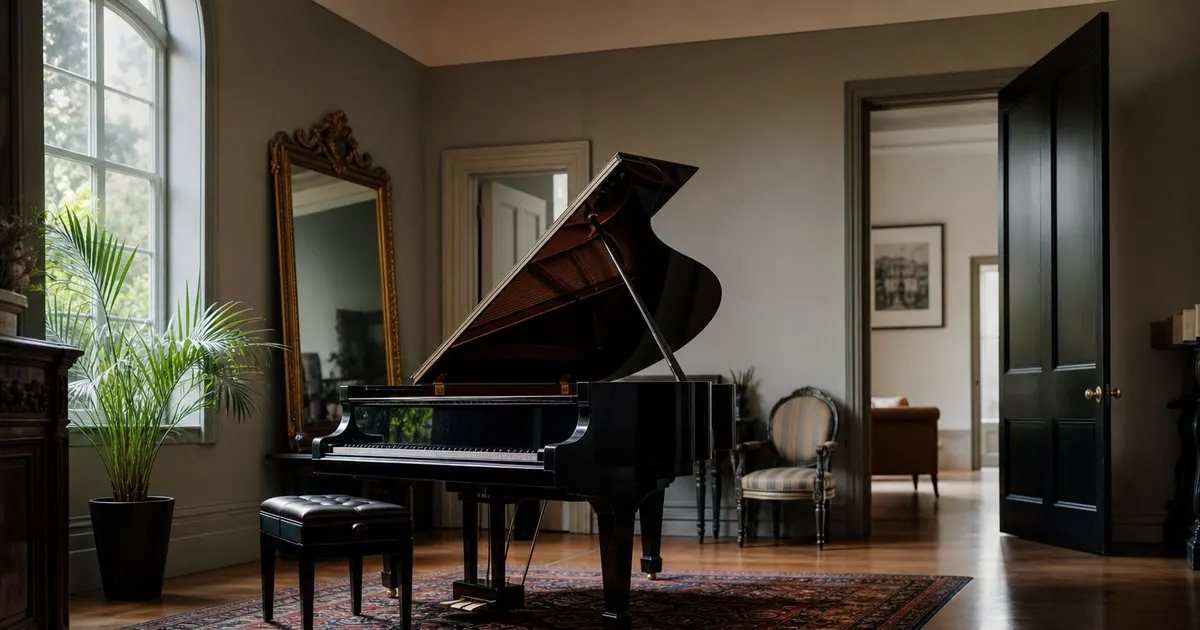
Planning floor area, clearance, and acoustics so a grand enhances rather than crowds the room.

How periodic voicing and regulation keep tone even and the action responsive over the years.

How modern player systems add versatility, and what to weigh before adding one to a fine instrument.
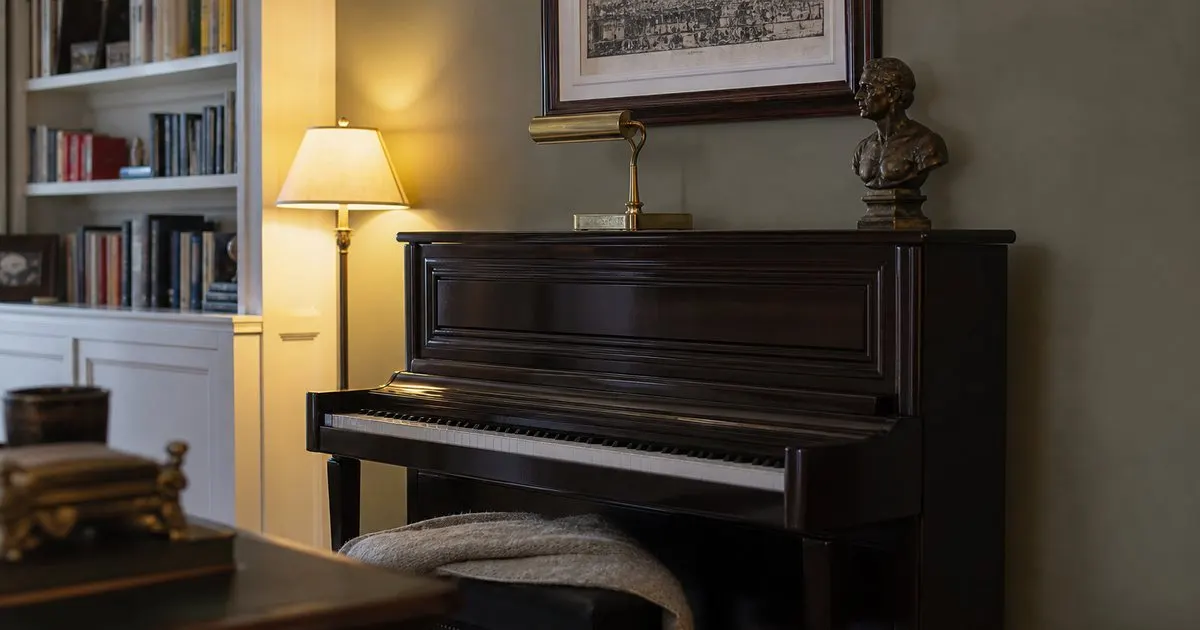
How the height of an upright influences string length, bass depth, and overall resonance.

A showroom trial is the one chance to feel how an instrument responds before it lives in your home. Here is how to structure that hour so the action tells you the truth.

Rebuilt means very different things in different shops. Learn what the word should cover, what documentation to demand, and how to judge the work before paying for it.

A grand piano is moved on its side, on a skid board, by people who do nothing else. Here is what a professional move involves and how to prepare your house for it.

High-gloss polyester, hand-rubbed lacquer, satin ebony, natural wood veneers: each finish ages differently under children, sunlight, and daily life. Here is how to choose.

There is a point in a pianist's development where a digital instrument stops teaching and starts limiting. Learn to recognize the signs and how to time the purchase well.

New strings stretch, new pins and bridges seat, and a new room changes everything. Here is why the first year needs more tunings than any other and how to schedule them well.

The bench is the only part of the piano you actually sit on, and the wrong one undermines technique, comfort, and posture. Here is what an adjustable artist bench should offer.

Trade-up guarantees sound generous, and sometimes they are. Here is how they work, where the conditions bite, and how to weigh one against a straightforward discount.
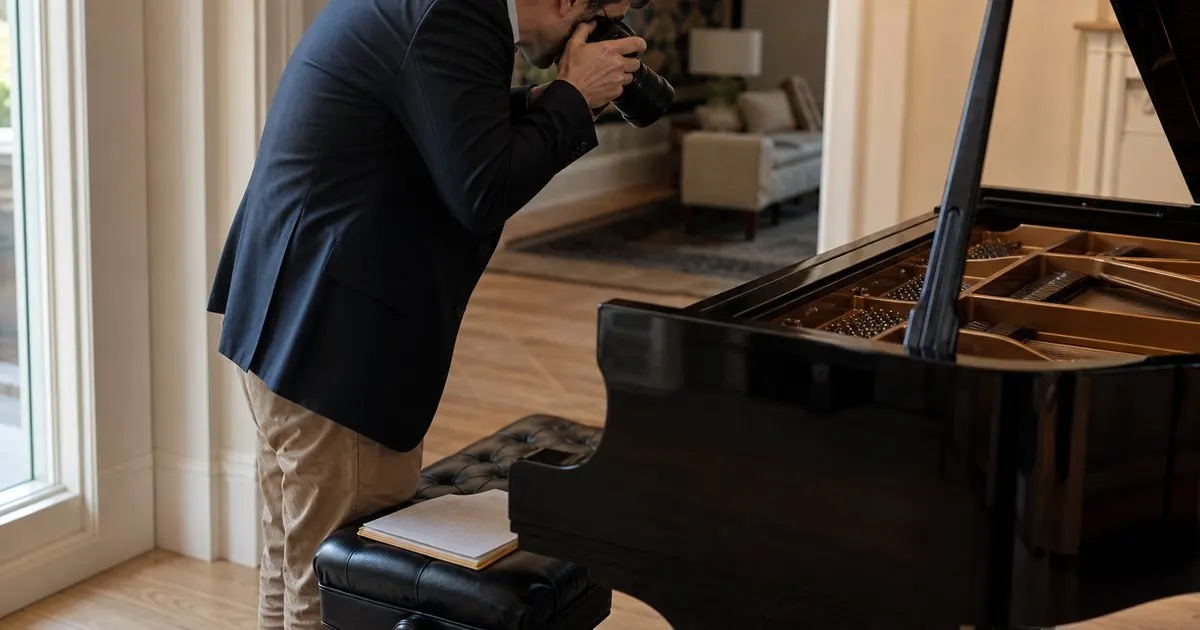
Most policies treat a fine piano as ordinary contents, which can leave a large gap after a fire, flood, or move. Here is how appraisal and scheduling close it.
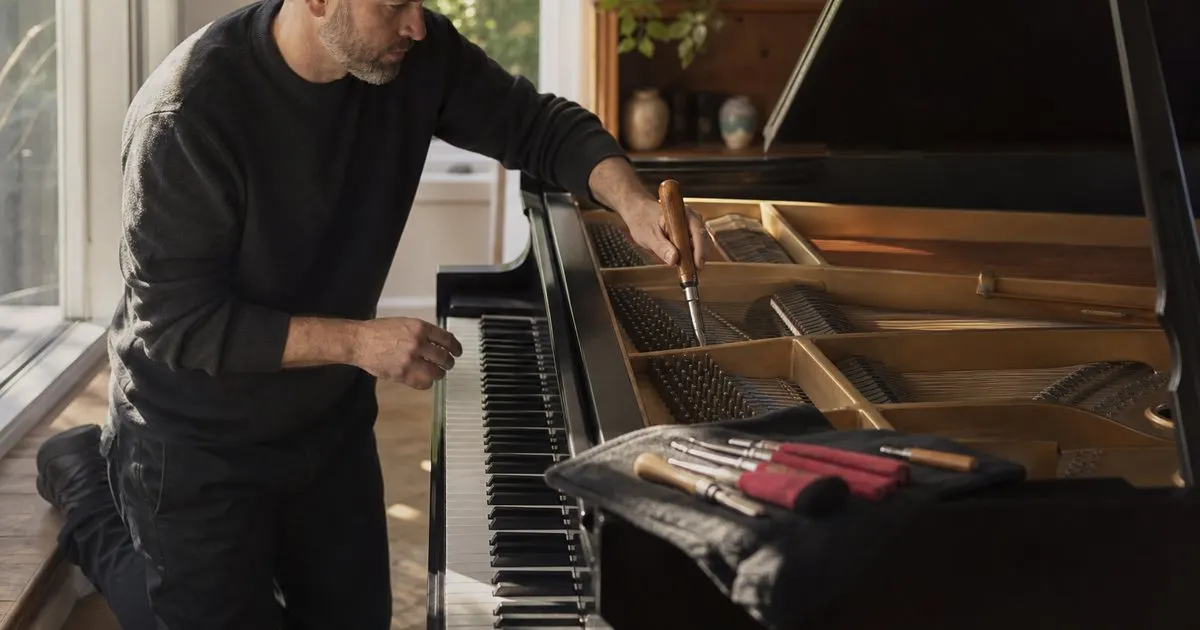
The technician who services your instrument shapes how it sounds and feels far longer than the dealer who sold it. Here is how to identify, interview and secure a good one before delivery day.

Apartments and condominiums add structural, legal and acoustic constraints that a detached house never imposes. Here is how to get a grand upstairs, keep it quiet enough, and keep your neighbors on your side.