Does piano size directly affect tone quality in a fine upright instrument?
How the height of an upright influences string length, bass depth, and overall resonance.
Size does influence an upright's tone: greater height allows longer strings and a larger soundboard, generally supporting fuller tone and deeper bass. But scale design, soundboard quality, and construction matter as much, so a well-made shorter upright can sound excellent. Let listening across the range, not height alone, decide the instrument.
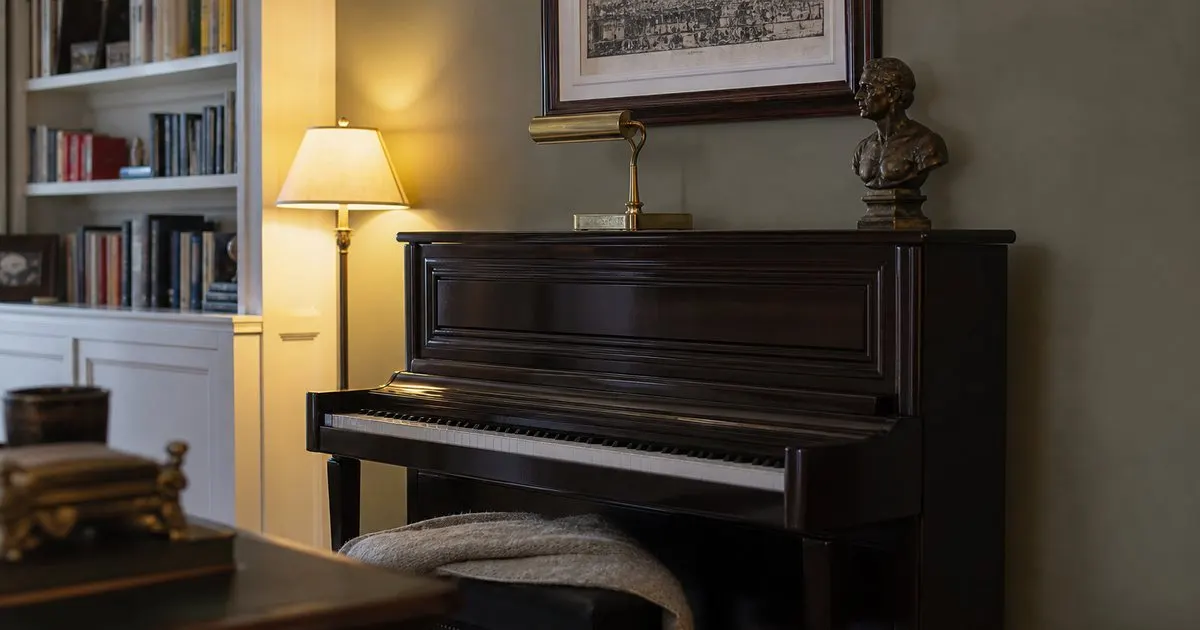
Height and string length
In an upright, greater height allows longer strings and a larger soundboard, which generally support fuller tone and deeper bass. Size does influence the voice.
Taller uprights can approach a richness that shorter ones cannot quite reach. The physics of string length underlies this.
Keep reading: How do you choose between a grand and upright piano for the home?, What makes a concert grand piano worth its considerable investment for discerning musicians?, Which room conditions best preserve a fine high-end piano over many decades?. See how Pianoluxe helps you a pianist guide to buying grand and upright pianos.
But design matters too
Size is not the whole story. Scale design, soundboard quality, and construction shape tone as much as height. A well-designed shorter upright can sound excellent. Related: Why does soundboard material shape the tonal character of a luxury grand piano?
A taller piano built without care may disappoint. Judge the instrument as a whole rather than by height alone. Related: Are hand-built pianos meaningfully better than factory produced instruments for serious players?
Balancing tone and space
A taller upright offers tonal advantages but needs a room that suits it visually and acoustically. Weigh the benefit against your space. Related: How much space does a full-size grand piano genuinely require in a home?
For many homes, a mid-height fine upright balances tone and practicality beautifully. The best size is the one that fits both room and ear. Related: How do you choose between a grand and upright piano for the home?
Listening is decisive
Specifications suggest tendencies, but your ears settle the matter. Play across the range and listen for even, resonant tone.
Choose the upright that sounds and feels right in your room. That living response matters more than any single dimension.
- Taller uprights allow longer strings and fuller tone
- Scale design and build quality matter as much as height
- A well-designed shorter upright can sound excellent
- Let listening, not dimensions alone, decide

Julien Jimenez
Julien Jimenez is an independent software builder based in Paris. He designs, ships, and operates focused SaaS products for small businesses and independent professionals. Read the full author page.
Frequently asked questions
Are taller uprights always better sounding?
Taller uprights allow longer strings and often fuller tone, but design and build quality matter greatly. A well-designed shorter upright can outperform a taller one made without care, so judge each instrument on its own.
Should I buy the tallest upright I can fit?
Not automatically. Height offers tonal advantages, but the best upright is the one that sounds and feels right in your room and suits it visually. Let listening guide the decision alongside size.
An Instrument for a Lifetime
A pianist guide to buying grand and upright pianos. Pianoluxe is built to help you put this into practice.
Find your pianoMore from the Pianoluxe blog
How do you choose between a grand and upright piano for the home?

What makes a concert grand piano worth its considerable investment for discerning musicians?

Which room conditions best preserve a fine high-end piano over many decades?
Get the complete high-end grand and upright pianos guide
Our full buying guide, the price guide, and new research as we publish it. One email, no spam, unsubscribe any time.