How do you evaluate the action and touch of a grand piano during a showroom trial?
A showroom trial is the one chance to feel how an instrument responds before it lives in your home. Here is how to structure that hour so the action tells you the truth.

Arrive with a plan, not a repertoire
The mistake most buyers make is to sit down and play their best piece. That tells you whether the piano flatters you, not whether the action is right. Bring three short things instead: a slow, quiet passage that exposes how softly the piano will speak, a fast repeated-note figure that tests how quickly the hammer resets, and a loud chordal section that shows whether the action feels solid or bottoms out under force. Play each at the same tempo on every instrument you try that day so the comparisons mean something.
Ask the salesperson to leave you alone for at least twenty minutes and to close the lid to the short stick if the room is loud. Take off any jewelry that changes your hand position, use the bench height you are used to at home (bring a cushion if needed), and warm up for five minutes before forming opinions. Cold hands on an unfamiliar action produce misleading impressions, usually that the action is heavier than it really is. Related: Are hand-built pianos meaningfully better than factory produced instruments for serious players?
Keep reading: How do you choose between a grand and upright piano for the home?, What makes a concert grand piano worth its considerable investment for discerning musicians?, Which room conditions best preserve a fine high-end piano over many decades?. See how Pianoluxe helps you a pianist guide to buying grand and upright pianos.
What touch weight actually tells you
Touch weight is the downweight needed to depress a key slowly from rest, and it is only one part of the picture. A grand that feels heavy at the front of the key may feel quite different toward the fallboard, and repetition speed, key dip, and the point at which the hammer lets off all shape the experience more than the raw number. Serious dealers will let a technician measure downweight and upweight if you ask, and the difference between them reflects the friction in the action, which matters as much as either figure alone. Related: Why does soundboard material shape the tonal character of a luxury grand piano?
Test the extremes deliberately. Play a pianissimo scale in the top two octaves and listen for notes that fail to sound; that reveals inconsistent let-off or friction. Play the same scale fortissimo in the bass and feel for keys that bottom out harshly. Then trill slowly and gradually speed up in the middle register until the notes blur; a well-regulated grand action sustains a clean trill at speeds an upright cannot match, and the point where it fails tells you a great deal about the instrument's regulation.
Listening for what the action controls
Touch and tone are not separate in a fine piano. The action is what lets you shape dynamics, so listen for how many distinct volume levels you can produce between silent and loud on a single note. On a well-prepared instrument you should find a broad, even gradient with no sudden jump from soft to medium. A piano that only offers two or three levels is either poorly regulated or voiced too hard, and both are worth knowing before you fall in love with the case. Related: How do you choose between a grand and upright piano for the home?
Pay attention to the damper pedal and the sostenuto as well, since they are part of the playing mechanism. Press the damper pedal slowly and listen for the exact point at which the dampers lift; a long dead zone before anything happens usually means pedal adjustment is needed, which is easy to fix but tells you how carefully the piano has been prepared. Half-pedal a sustained chord and check whether the sound thins gradually or cuts off abruptly.
Questions to ask before you leave
Ask when the piano was last regulated and by whom, and whether the dealer performs a full preparation on delivery or only a tuning. Ask whether the action has been adjusted from the factory specification for a previous customer, since a piano returned from a home trial may have been lightened or weighted. Ask, too, whether the instrument you played is the one you would receive or a floor model standing in for stock, because two examples of the same model can feel noticeably different. Related: How much space does a full-size grand piano genuinely require in a home?
Finally, request a second visit on a different day and, ideally, at a different time. Humidity in a showroom shifts, your own hands vary, and an action that felt perfect on a Saturday afternoon can feel sluggish on a Tuesday morning. If the instrument still convinces you on the second sitting, and the dealer will put the regulation specifications in writing, you have done as much as any buyer reasonably can before delivery.
- Bring three short test passages and play them identically on every piano you try.
- Test soft playing in the treble and fast trills in the middle register to expose regulation problems.
- Count how many distinct dynamic levels a single note can produce; a fine action offers a broad, even gradient.
- Return on a second day before deciding, and get the regulation specifications in writing.

Julien Jimenez
Julien Jimenez is an independent software builder based in Paris. He designs, ships, and operates focused SaaS products for small businesses and independent professionals. Read the full author page.
An Instrument for a Lifetime
A pianist guide to buying grand and upright pianos. Pianoluxe is built to help you put this into practice.
Find your pianoMore from the Pianoluxe blog
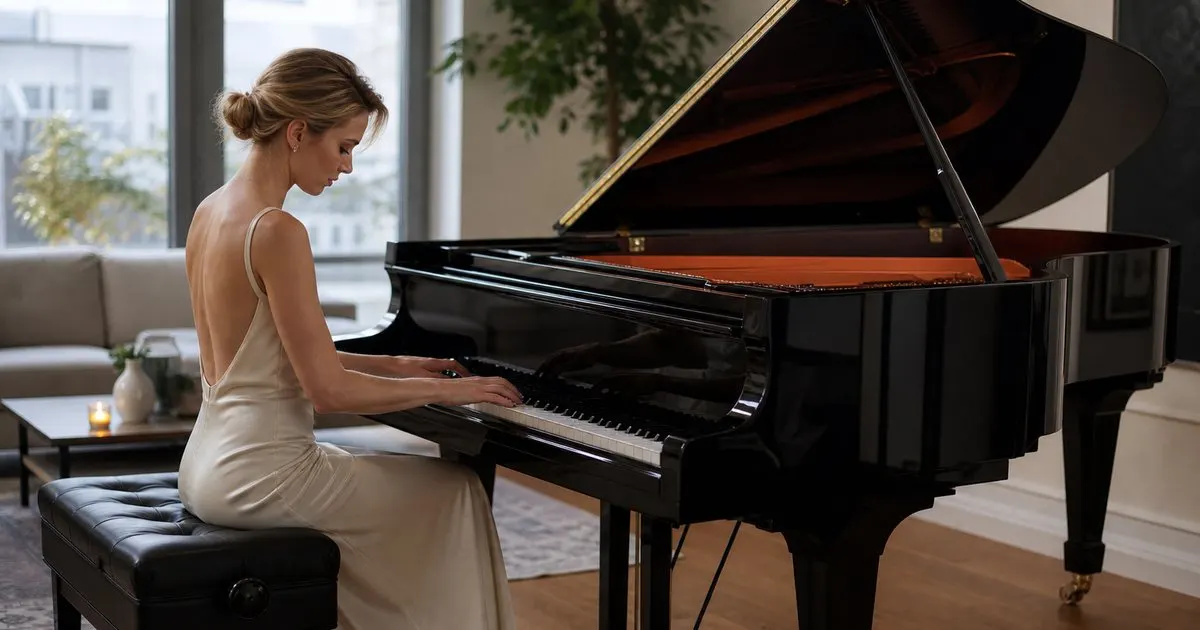
How do you choose between a grand and upright piano for the home?
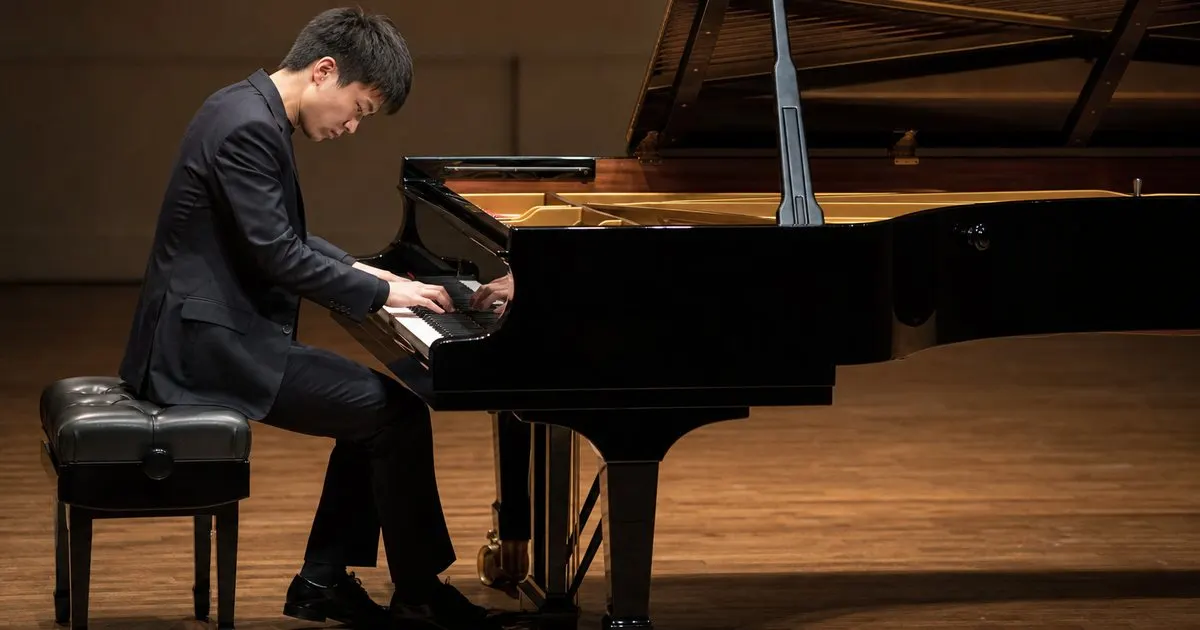
What makes a concert grand piano worth its considerable investment for discerning musicians?

Which room conditions best preserve a fine high-end piano over many decades?
Get the complete high-end grand and upright pianos guide
Our full buying guide, the price guide, and new research as we publish it. One email, no spam, unsubscribe any time.